Frederick Bannon Jr. was by his mother鈥檚 side in intensive care as she fought a rare form of muscle cancer in late 2014. She was heavily sedated, but he felt confident making medical decisions for her because of his family鈥檚 .
Bannon had difficult end-of-life-care conversations with his parents, both in their mid-80s, before his mother鈥檚 diagnosis. During those discussions, held at Bannon鈥檚 urging, his parents decided how far they wanted doctors to go to keep them alive should they become too sick to communicate. Bannon then documented their wishes.

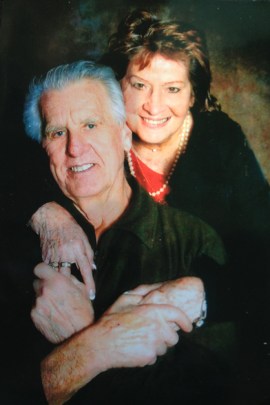
Frederick Bannon鈥檚 parents, Frederick Sr. and Elvira (Courtesy of the Bannon family)
鈥淭hat helped so much, because you knew at least one thing was going to be taken care of,鈥� said Bannon, 65, of San Francisco, whose mother survived and lives with Bannon鈥檚 father in Wethersfield, Conn.
Most Americans聽, although some people may be more likely to make them if a聽聽starts the discussion. In California, the state鈥檚 attorney general鈥檚 office offers an聽聽on its website. In the past few years, other websites have encouraged those conversations, with their own suggestions on how to get started.
Rebecca Sudore, a geriatrician at the University of California-San Francisco, created聽, which provides step-by-step instructions and video stories to help people navigate the care they want at the end of their lives. She built the聽site in聽2013 for families unsure how to broach sensitive questions. In a study published in聽 in May, she and other researchers found that the website 鈥� combined with the use of an 鈥渁dvance directive鈥� form 鈥� prompted participants to plan ahead.
The website is free, and Sudore makes no money from it. She said she created it as a public service with the idea of studying its effectiveness.
The site guides patients in drafting a 鈥渟ummary of wishes鈥� to help families and other caregivers decide whether their loved ones should undergo life-sustaining medical interventions such as feeding tubes and ventilators.
For the study, Sudore approached 414 San Francisco-area military veterans 鈥� including Bannon 鈥� who were split into two groups: One received a simplified聽, a legal document allowing a patient to consent to or decline specific medical procedures well before they occur. The other group was given the directive but also was pointed to聽prepareforyourcare.org, which is publicly available in English and Spanish.
Almost none of the participants had documented their wishes in the six months before the study. But nine months after the study began, 35 percent of those who received access to the website and the directive had updated their medical record, while 25 percent who received just the directive had done so.
Sudore sees stark contrasts between 鈥渄eer-in-headlights鈥� families who arrive at the intensive care unit with outdated directives and no specified plans, and those who have had ongoing conversations.
Bannon, a Vietnam War veteran, X-ray technician and colon cancer survivor, praised the site鈥檚 simplicity and accessibility and said it persuaded him and his parents to document their wishes before his mother鈥檚 cancer treatment.


Frederick Bannon Jr. (Courtesy of the Bannon family)
The website appears to be a useful tool, according to Dr. VJ Periyakoil, associate professor of medicine and director of Stanford University鈥檚聽. (Periyakoil is friends with the UCSF researchers but was not involved in the study.)
鈥淐linicians are so hard-pressed for time, so when the patients get activated by web-based tools, I think it鈥檚 a wonderful thing,鈥� she said.
Seventy percent of Americans lack an advance care plan, according to the聽U.S. , and lack of preparation can have undesirable effects, Periyakoil said.
Family members who have not gone through this process sometimes choose life-sustaining options for their loved ones that may cause unnecessary suffering, Periyakoil said.
Children 鈥渕ight be more lured by, 鈥業 really love Mom. I can鈥檛 allow anything bad to happen to her and I want to keep doing whatever I can to extend her life,鈥欌�� she said. 鈥淎nd by doing so, they might end up subjecting Mom or Dad to a lot of measures that are ineffective and burdensome.鈥�
Periyakoil, who has聽聽to end-of-life care among eight ethnic groups, does not believe there鈥檚 a single solution to encouraging end-of-life conversations, because different groups have different approaches to discussing death. She suggested the website might be one of many strategies to consider.
Prepareforyourcare.org has logged more than 1.7 million page views and 85,000 users in 115 countries since its 2013 launch.
For Bannon, the site worked. 鈥淣ow [my parents are] even more relaxed, because when they do face their final exit, everything鈥檚 in place,鈥� he said.
This story was produced by , which publishes , an editorially independent service of the .
KHN鈥檚 coverage related to aging & improving care of older adults is supported by , coverage of end-of-life and serious illness issues is supported by , and coverage of aging and long-term care issues is supported by .