HAY SPRINGS, Neb.鈥� The sun was just warming the horizon as Mark Pieper left his house near his cattle ranch on a crisp February morning.
It鈥檚 not unusual for the rancher to wake up early to tend to livestock, but at 5:45 a.m. this day his cattle wouldn鈥檛 come first. For the past 3陆 years, three days a week, Pieper has made an early-morning commute to get dialysis at the nearest hospital.
Pieper lives outside Hay Springs, which has 599 residents, according to a sign at the edge of town. He makes sure not to forget his chocolate-brown cowboy hat before starting up his pickup truck for the half-hour drive to Chadron.
That February morning was one of his last dialysis sessions there before the hospital shuttered the service at the end of March.
鈥淚 guess I鈥檒l just bloat up and die in a month,鈥� Pieper remembered thinking when he learned the center was closing, eliminating the only option near his home.
He needs dialysis to survive after cancer treatment damaged his kidneys.
Pieper and 16 other patients relied on Chadron Hospital for the life-sustaining therapy that filters waste and fluid from their blood 鈥� a job their failing kidneys could no longer do. Treatment lasts about four hours.
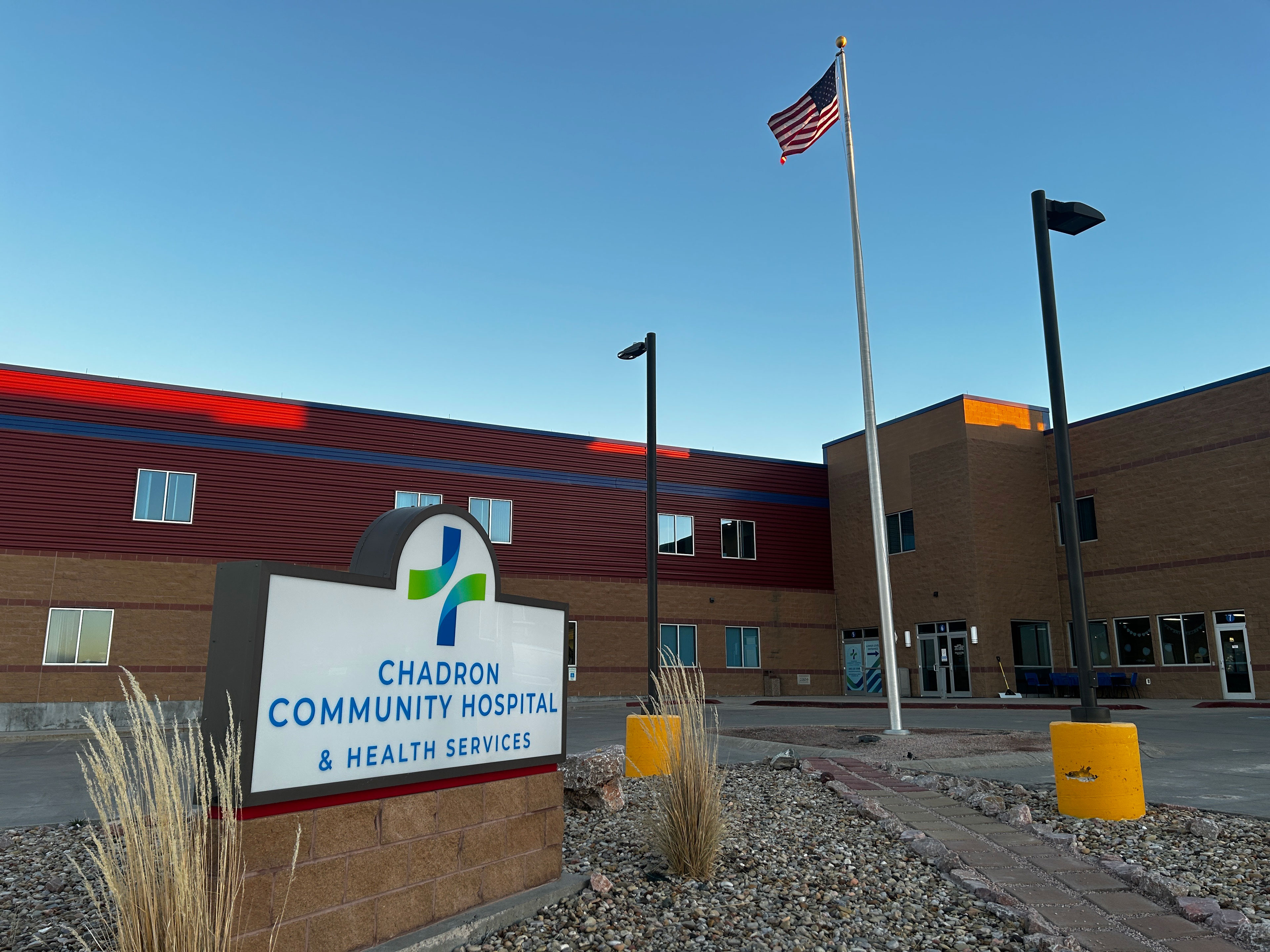
The closure is just one example of the long decline of health care services in rural America, where people have higher rates of many chronic conditions but less access to care than elsewhere.
The Trump administration promised to address this problem, when it launched the $50 billion federal Rural Health Transformation Program in September. It may not be enough to stop the trend.
"[President Donald] Trump says he is going to help the rural health care,鈥� Pieper said. Dialysis 鈥渋s one thing that we really need here.鈥�
Some patients have moved to live closer to care, including several nursing home residents. Their new facilities may be farther from their families.
Others are making long drives to dialysis centers. Pieper eventually found treatment in Scottsbluff, which, with about 14,000 residents, is the biggest city in the rural Panhandle region of western Nebraska. The hour-and-a-half drive will triple his time on the road to more than nine hours each week.
Jim Wright and his wife reduced their drive time 鈥� but are spending more money 鈥� by renting a small home near Rapid City, South Dakota, and living there on weekdays so he can get dialysis. Wright said he understands that rural hospitals face financial challenges.
鈥淏ut we're talking about something that鈥檚 lifesaving. It's not a matter of, 鈥極h, I would like to be there鈥欌�� getting treatment, he said. 鈥淚t鈥檚 a case that if you don鈥檛, you die."

An Influx of Money That鈥檚 Out of Reach
Jon Reiners, CEO of the independent, nonprofit Chadron Hospital, wrestled with the decision to end dialysis services. He and several patients said that the closure was announced as the $219 million the state will receive in first-year funding from the .
But the five-year program is aimed at exploring new, creative ways to improve rural health, not to help existing services stay afloat. States can use only up to 15% of their funding to pay providers for patient care.
At least 11 states 鈥� Nebraska is not among them 鈥� have mentioned using funding for rural dialysis programs, according to a 杨贵妃传媒視頻 Health News review of applications. Their ideas include starting a mobile dialysis unit and helping people get treatment at home or in long-term care facilities.
Reiners said Chadron Hospital lost $1 million a year on its dialysis service due to low reimbursement rates that didn鈥檛 cover operational costs.

The facility is a critical access hospital, a designation that allows certain small, mostly rural hospitals to get increased reimbursement rates for their Medicare patients. While most of the affected patients were on Medicare, the critical access program doesn鈥檛 cover outpatient dialysis, Reiners said.
Reiners said the hospital worked for more than a year to find solutions, such as reaching out to four private companies to potentially take over the center. But he said they all passed after realizing they would lose money.
Nephrologist Mark Unruh said the dialysis closure in Chadron reflects a wider trend of staffing and funding challenges.
鈥淵ou do end up in situations where you have people who are displaced like this, and it鈥檚 just sad,鈥� said Unruh, chair of the Internal Medicine Department at the University of New Mexico.
People in rural America face significant disparities in kidney health and treatment, published in 2024 in the American Journal of Nephrology. They鈥檙e and face after diagnosis, according to data from the National Institutes of Health.
The best way to address this is to focus on prevention, Unruh said. He pointed to a that helps primary care doctors in rural and other underserved areas prevent end-stage renal failure.
Another idea, Unruh said, is boosting the rate of kidney transplantation for rural patients. He鈥檚 looking at whether it鈥檚 helpful to 鈥渇ast-track鈥� tests patients need to get approved for a transplant by scheduling all of them over a couple of days to limit travel time.
Unruh said the U.S. health system also needs to recruit more staff who can train patients and their caregivers to administer dialysis at home.
Exploring the Option of Home Dialysis
Rural dialysis patients are more likely than urban ones to get home dialysis, according to . In 2023, the rate was nearly 18% for rural patients and about 14% for urban ones.
One type of home dialysis requires surgery to get a catheter placed in the abdomen and . The other kind requires . The nearest facility to Chadron that offers training for the first option is in Scottsbluff. The nearest that offers training for the latter kind is three hours away in Cheyenne, Wyoming.
Pieper said doctors told him he鈥檚 not a candidate for home dialysis or a transplant. The Panhandle has a nonprofit, rural transit system, but its schedule won鈥檛 work for Pieper. He said that leaves him with no choice but to get treatment in Scottsbluff, a 200-mile round trip.
It takes Linda Simonson even longer 鈥� more than four hours round trip 鈥� to drive her husband, Alan, from their ranch to his treatment in Scottsbluff.
Linda sat in the waiting room with a yellow legal pad during one of Alan鈥檚 final treatments in Chadron. The paper was scrawled with phone numbers of politicians to call and driving distances to dialysis centers in the region. She said facilities closer to their ranch either don鈥檛 have room for new patients or lack good spots along the route to take a driving break in bad weather.
鈥淚t鈥檚 just unreal,鈥� she said.
She said even if Alan took a bus, she鈥檇 have to ride along to support him during the trip and his treatment.
Jim and Carol Wright, the couple staying near Rapid City on weekdays, said they can鈥檛 afford to rent a second home forever. Their weekly commute is already taking a physical and emotional toll. They said they鈥檒l eventually have to move to a bigger city, giving up the house they love in the scenic Nebraska National Forest.
Carol said she feels for the dialysis staffers in Chadron, who are wonderful.
鈥淚t just doesn鈥檛 seem right to sacrifice one unit that鈥檚 so vital,鈥� she said while standing next to a pile of moving boxes stacked inside their rental.
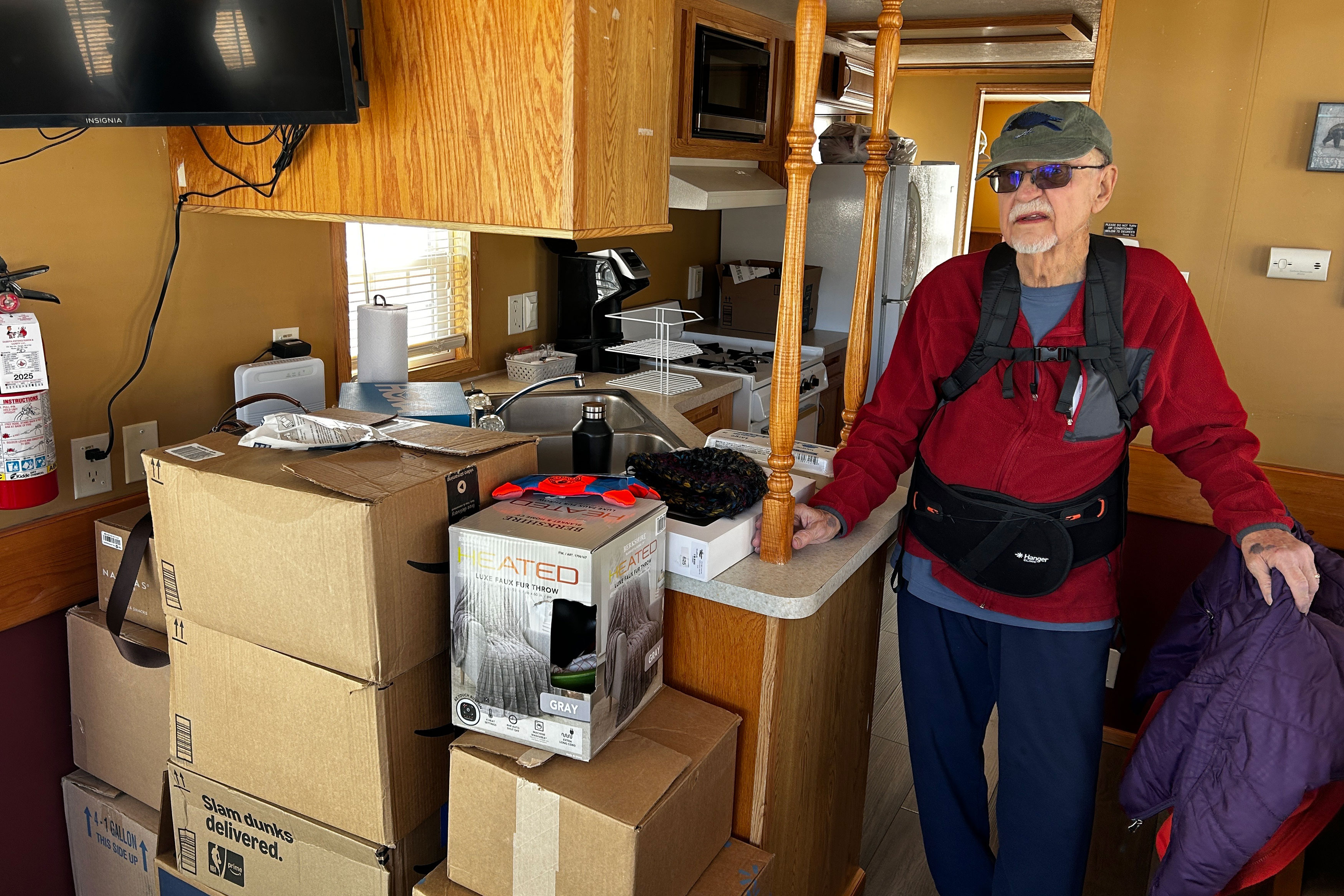
The Wrights wrote letters to politicians and hospital leaders to share their concerns and ideas for keeping the unit open, including using the federal rural health funding.
Simonson said she spoke with aides for the governor and her state representatives but none of the leaders called her back.
鈥淚t feels like they don鈥檛 know that we exist at this end of the state,鈥� she said.
杨贵妃传媒視頻 Health News is a national newsroom that produces in-depth journalism about health issues and is one of the core operating programs at KFF鈥攁n independent source of health policy research, polling, and journalism. Learn more about .